Three ways installation work gets run
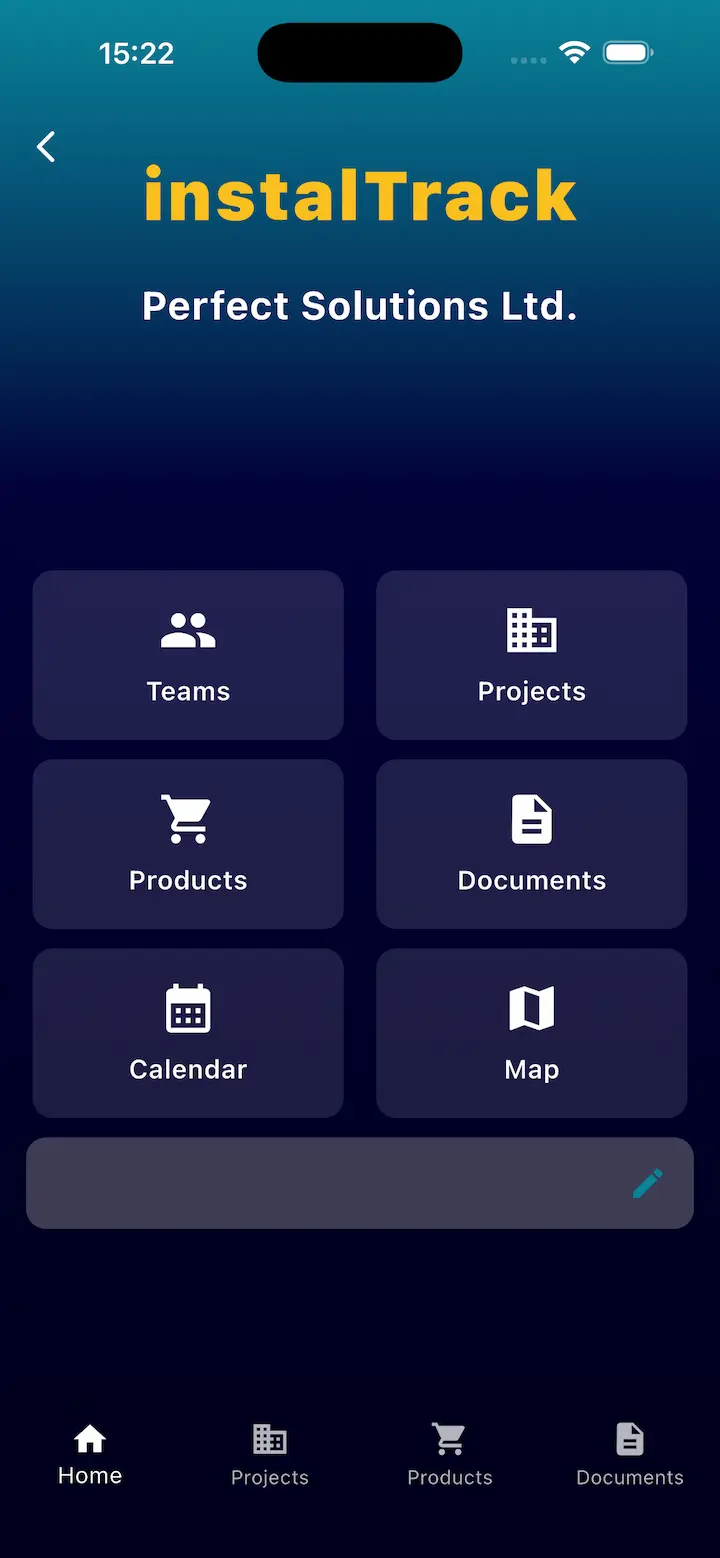
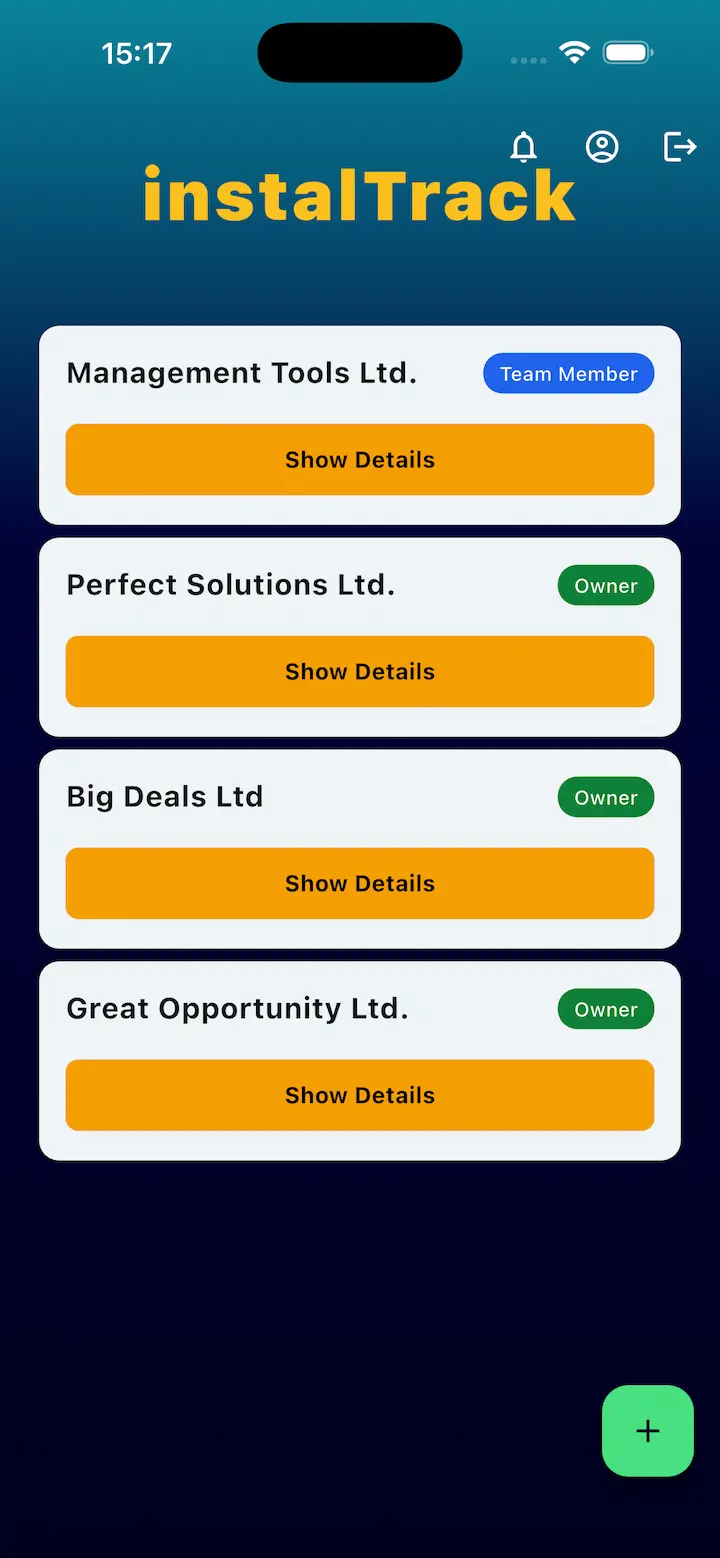
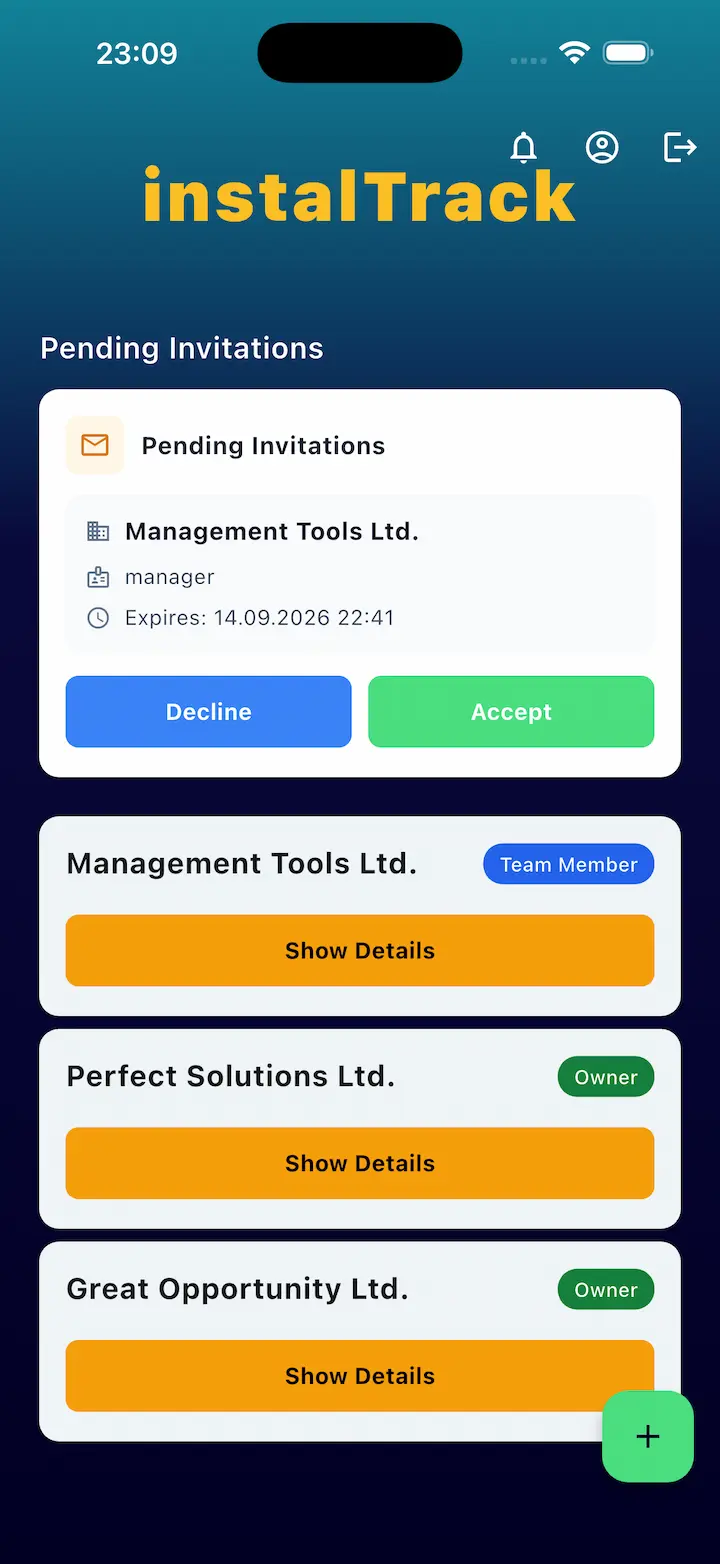
The first is a spreadsheet of dates, agreements in email, and phone calls to customers. The second is photos in an installer gallery and folders on a cloud drive. The third is one system where a job has stages, records, and sign-off. Here is what differs day to day.

Crew schedule
In a spreadsheet the plan lives with one person and breaks after the first call from site. In a system you see crew workload and free slots without asking around.
Photos from site
An installer phone gallery and a shared drive folder are two separate archives. Here a photo belongs to a stage and stays with the project.
What was agreed with the customer
Email, texts, and a conversation on site do not add up to a record. Stage status and customer approval are stored on the project.
Sign-off and handover
A paper protocol has to be driven back, scanned, and later found again. A stage protocol is created on site and is already in the records.
Access to job knowledge
When one person owns the spreadsheet, their week off stops answers to customers. In a system data is available to the team by role.
Adding the next crew
A new crew in a spreadsheet means a new tab and a new chat group. In a system it joins the same way of working.